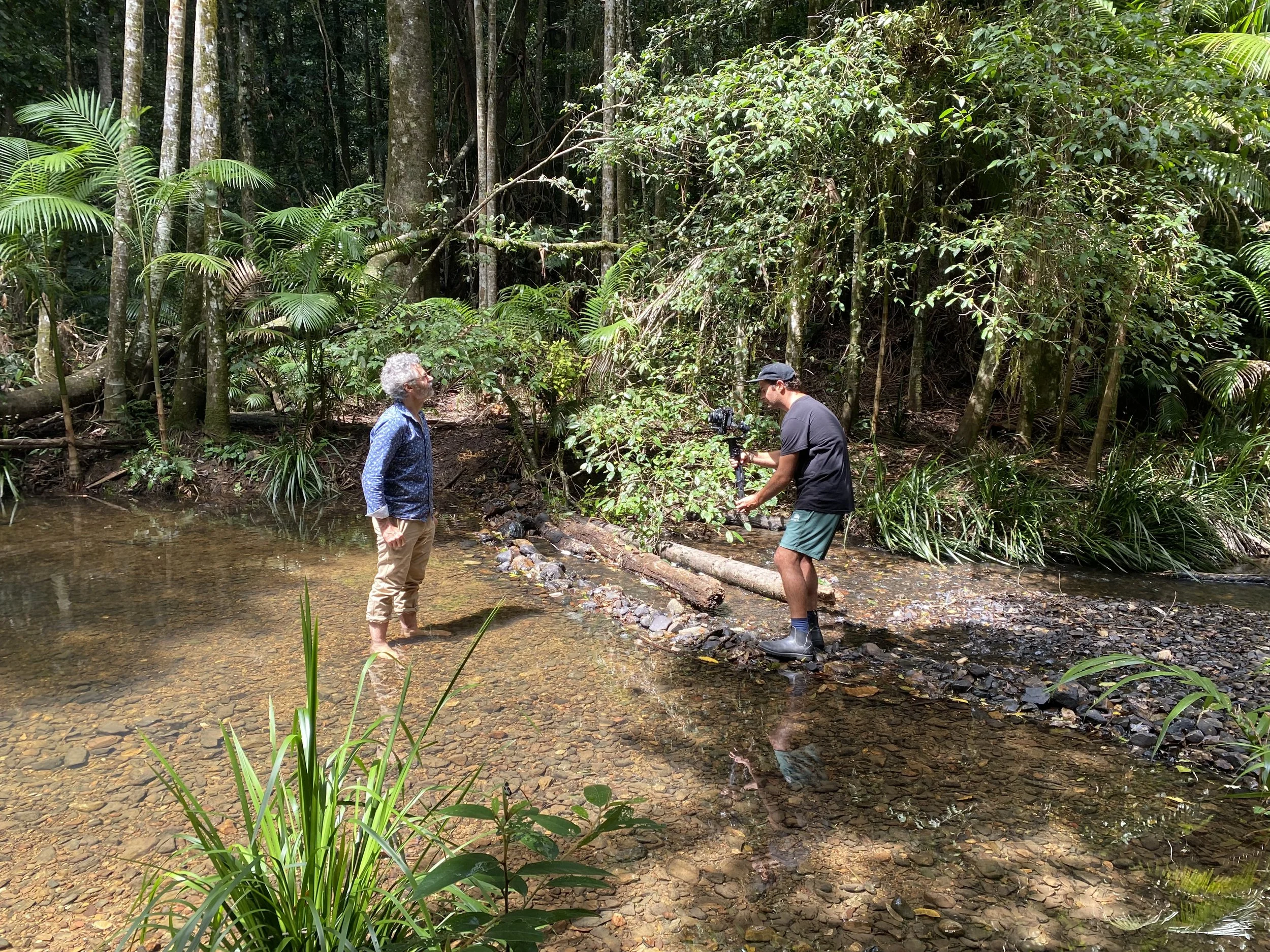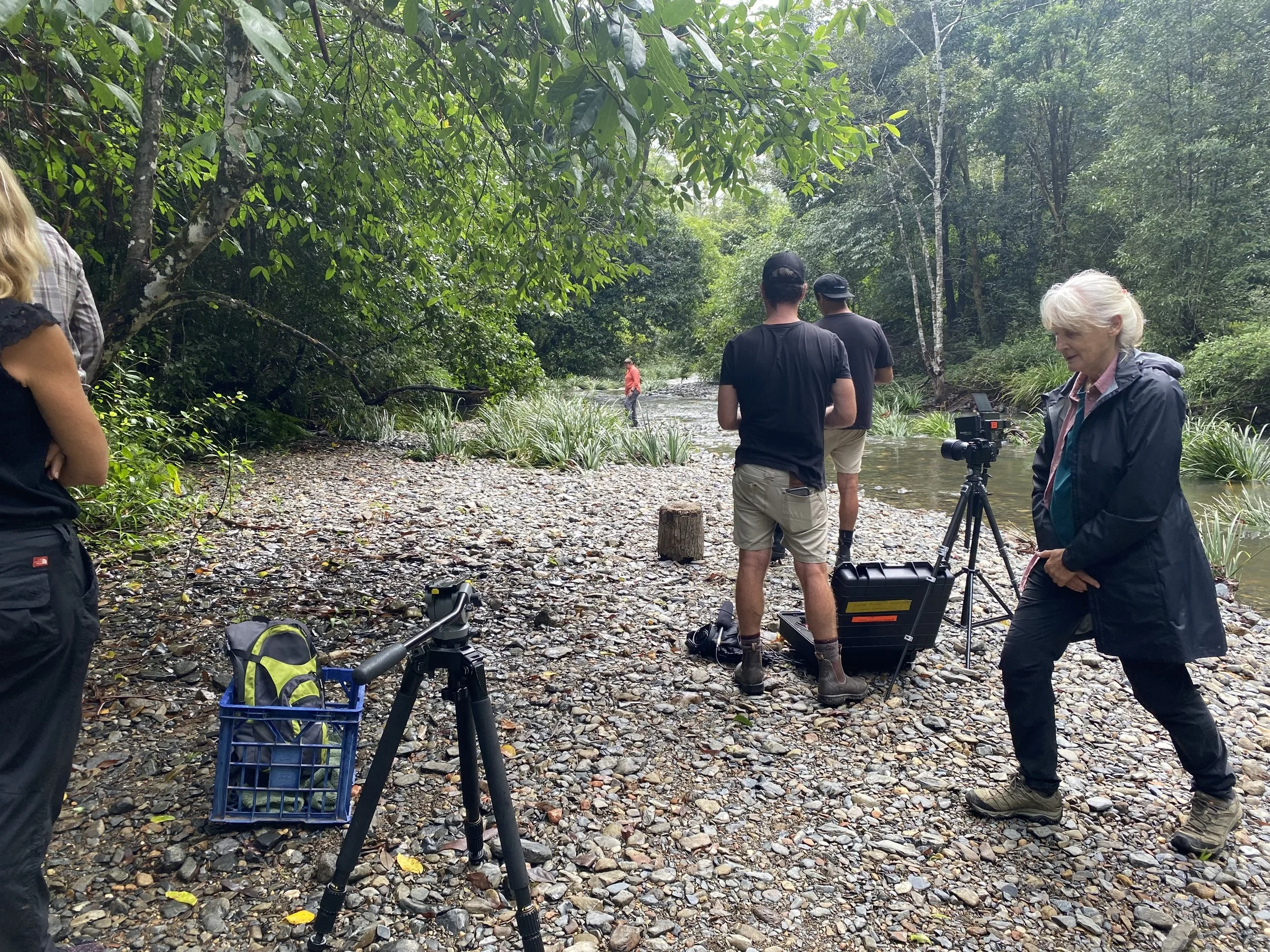
Whispers of Wilderness - a love letter to the Coffs Coast.
What is it about?
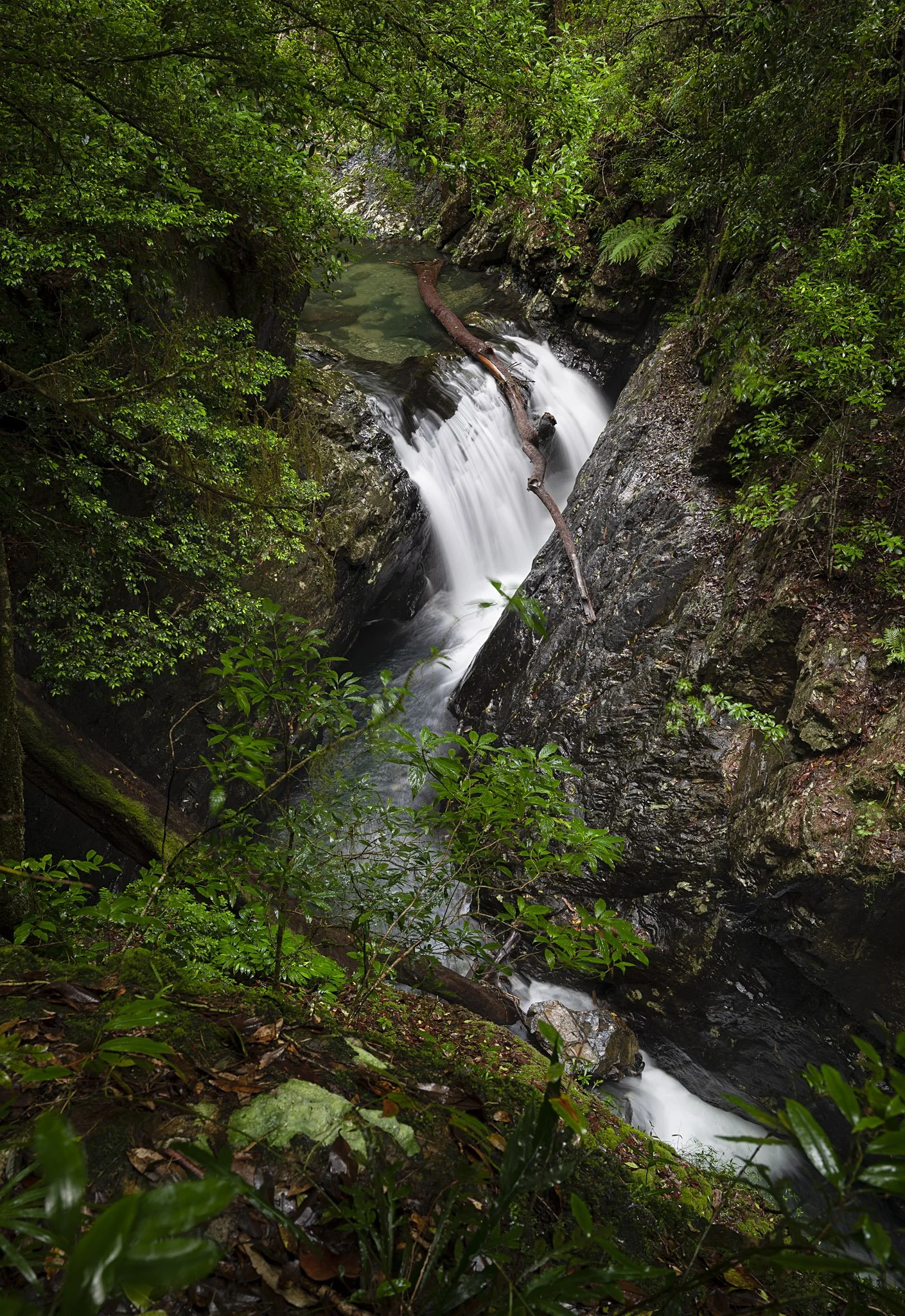
In an era when environmental issues can feel overwhelming, a short film from the Coffs Coast brings conservation back to the local level. Whispers of Wilderness, a 10-minute documentary commissioned by the NSW National Parks Association’s Coffs Coast Branch, has quickly become a catalyst for regional environmental engagement since its premiere last month.
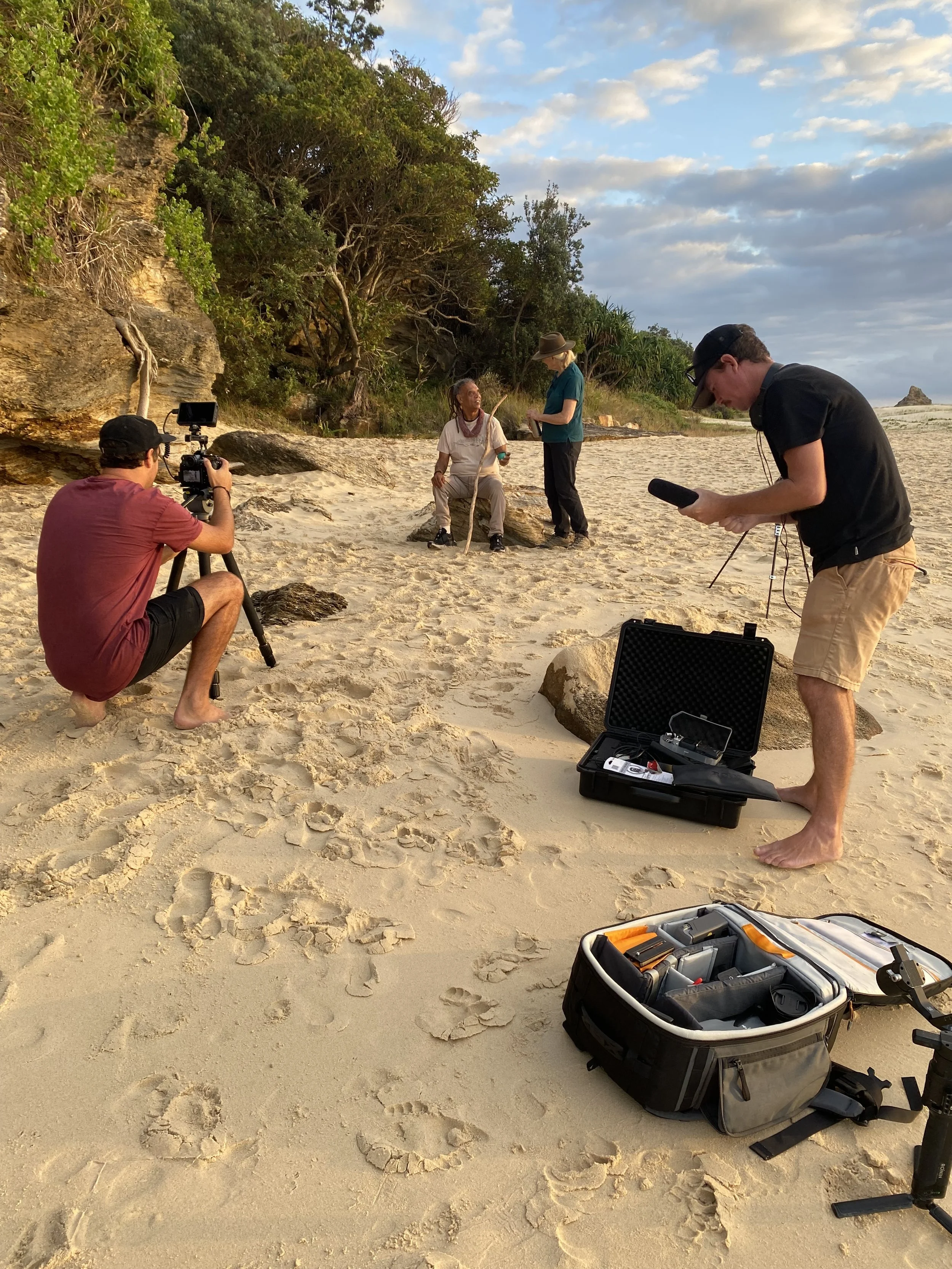
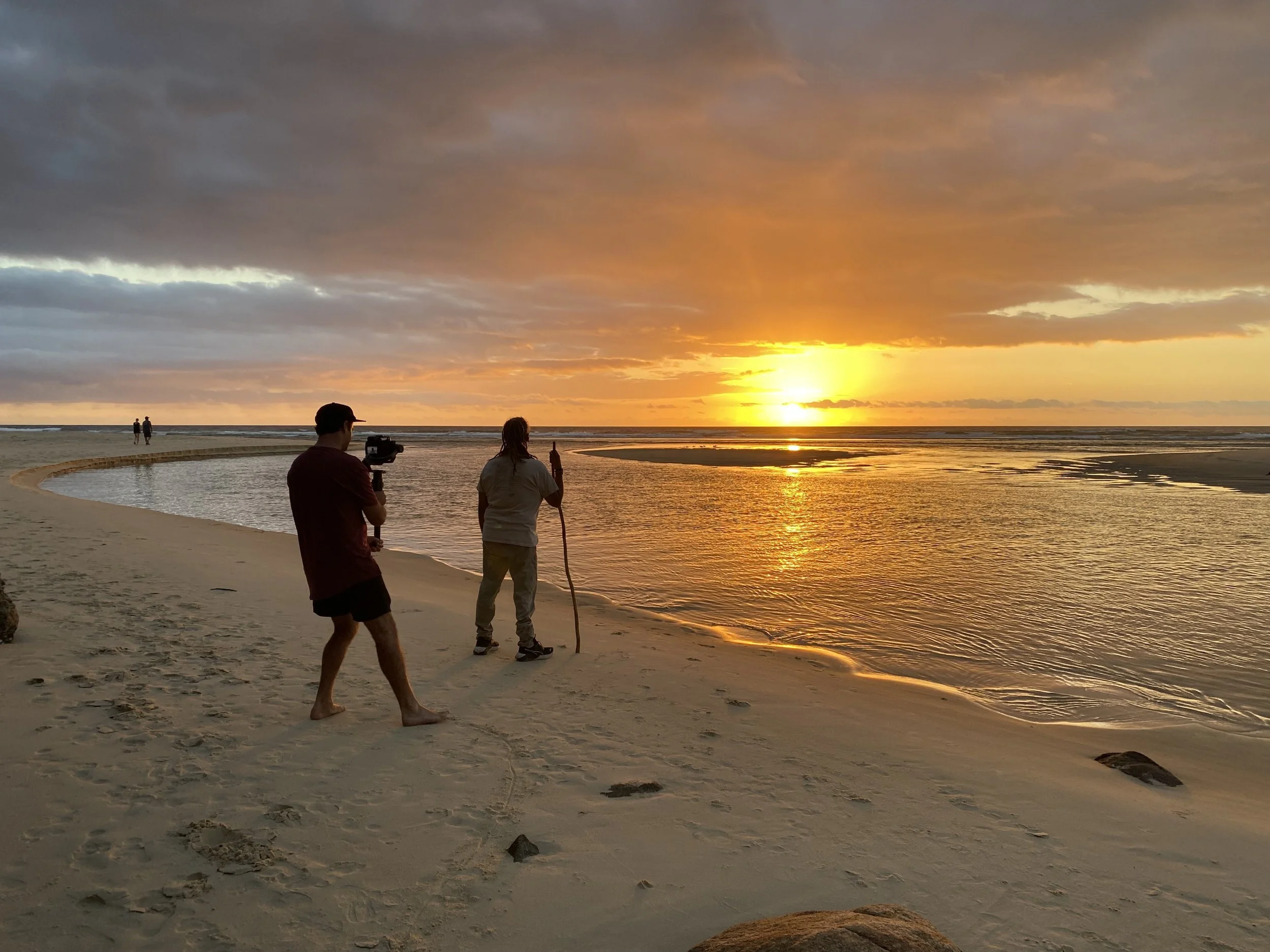
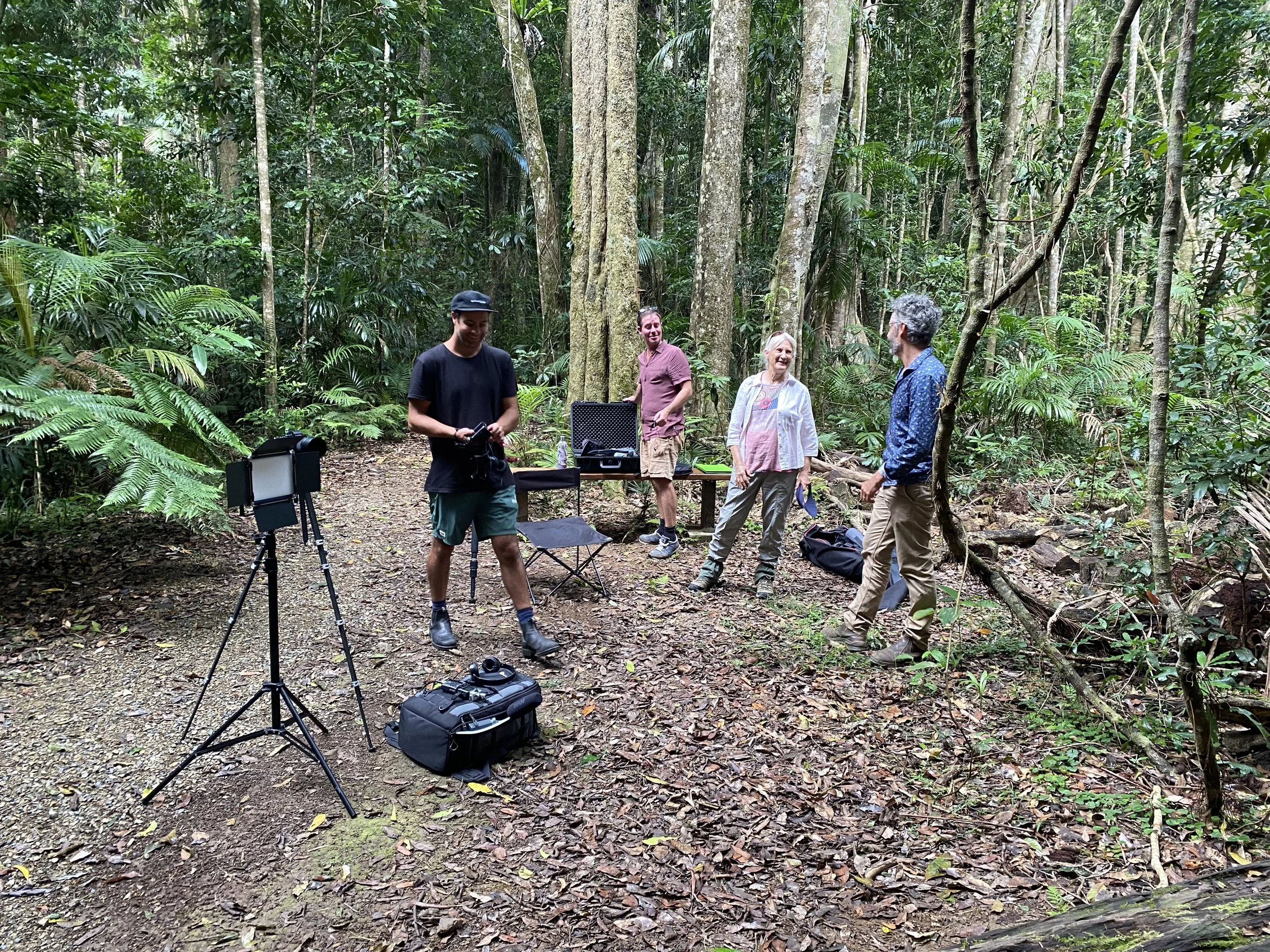
The film debuted to a packed Jetty Theatre on April 14 and is described as “a love letter to our home, a celebration of our shared heritage, and a powerful call to action.” Funded by Coffs Harbour City Council’s Environmental Levy and produced by local filmmakers Bathtime Productions, the project highlights how community-driven initiatives can spark meaningful conversations about conservation.
“We wanted to help people reconnect with the extraordinary natural landscape we sometimes take for granted,” says Paula Flack, Great Koala National Park campaigner and branch member featured in the film. “The Coffs Coast sits at an incredible intersection of ecosystems, and we need to remind people to tread lightly.”
Through sweeping visuals of national parks and marine reserves, the film centres local voices, including Gumbaynggirr man and teacher Uncle Micklo Jarrett, who shares cultural perspectives on caring for Country. “When you walk on our country, walk gently, and take care of it,” he says.
The documentary also features climate expert Andrew Turbill, Yvonne Everett from Coffs Bushwalkers, and Professor Kirsten Benkendorff from Southern Cross University, offering a broad and inclusive view of conservation.
Following its premiere, Whispers of Wilderness was screened for regional business leaders and independent MPs as part of discussions around the proposed Great Koala National Park, which would protect 176,000 hectares of state forest between Kempsey and Grafton.
“What’s remarkable is how the film has brought together people who don’t always agree,” says Branch President Grahame Douglas. “That shared response creates real potential for progress.”
As the film continues to be shown across the region, organisers hope it will inspire deeper connections with nature and meaningful conservation action. “A 10-minute film won’t save koalas on its own,” Flack notes, “but it can change how people see their relationship with the natural world — and that’s where change begins.”